Walk and talk therapy
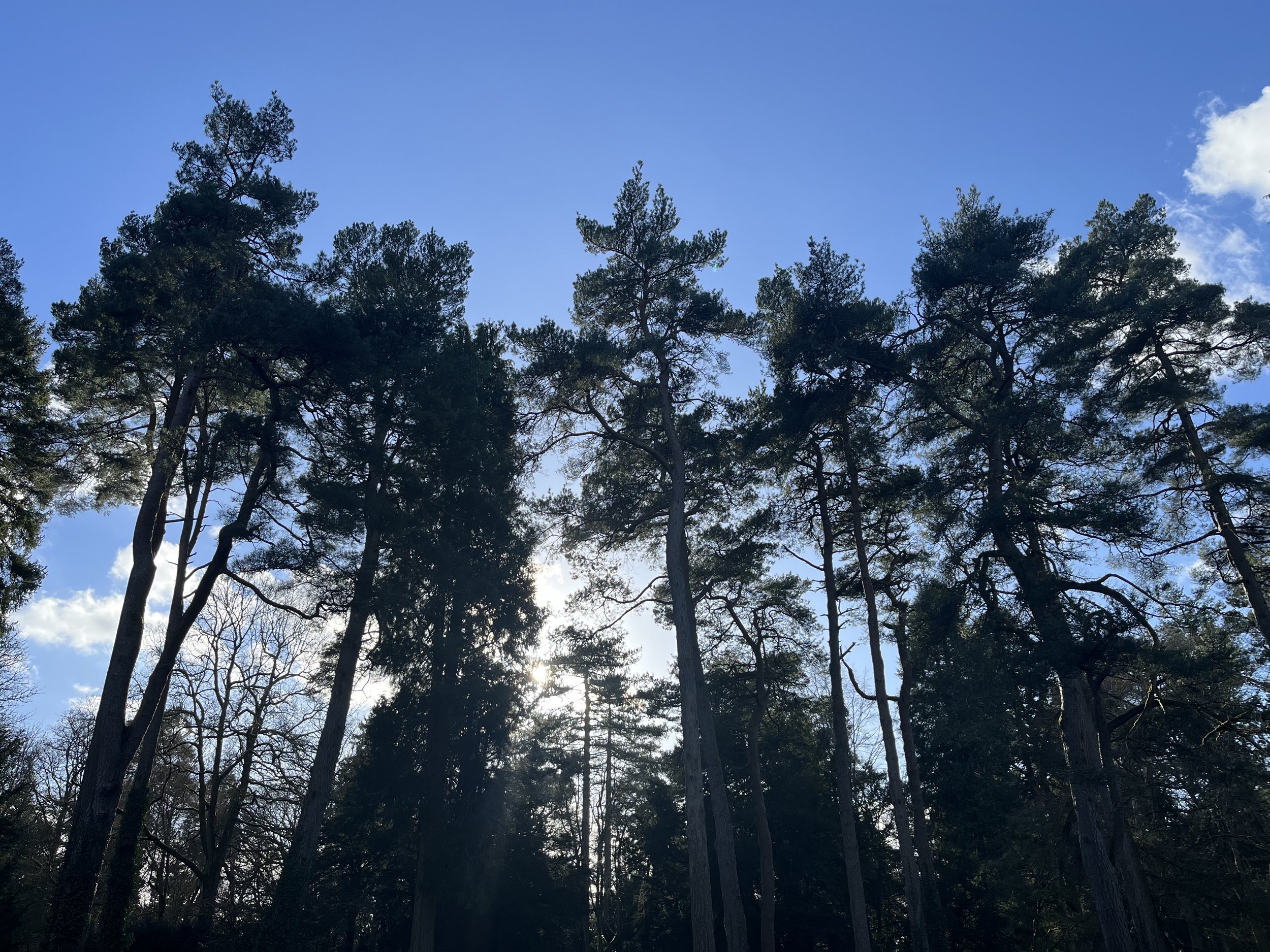
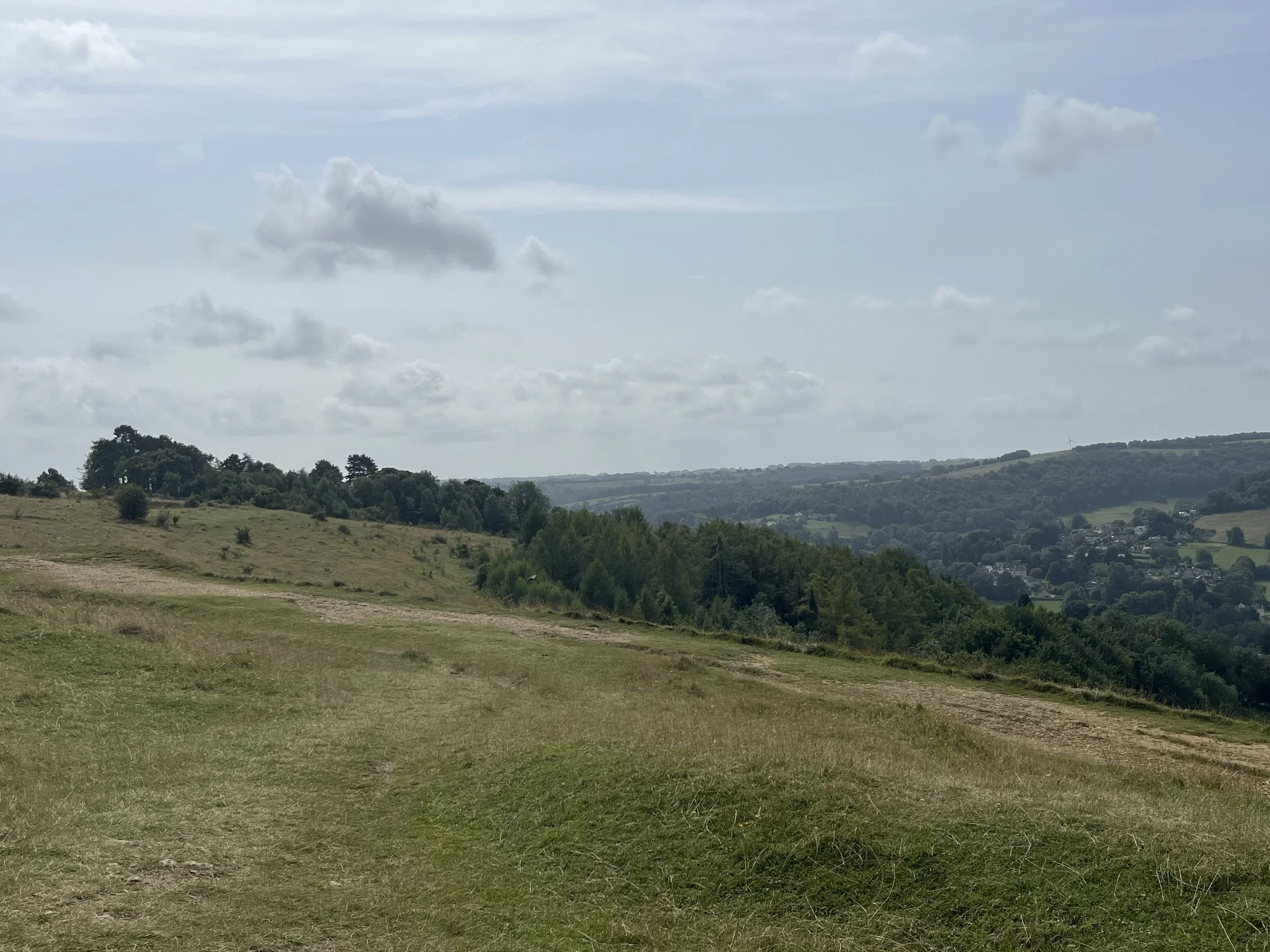
I offer Walk & Talk therapy sessions on Hampstead Heath or in Cirencester and surrounding areas, where we meet outdoors and walk together as we talk. This way of working is informed by wild therapy.
For some people, being outside and moving makes it easier to speak, think, and feel. Sitting opposite a therapist in a room can feel intense or exposing, particularly at the beginning. Walking side by side can soften this, offering a gentler way to begin therapy and to build a relationship - both with the therapist and with yourself.
The natural surroundings become a quiet companion to the work. Sometimes they are noticed and spoken about; sometimes they simply hold us as we walk. We move at a pace that suits you, with space to pause, sit, or be silent when needed. There’s no pressure to talk constantly or to arrive anywhere in particular.
If you’re curious about whether Walk & Talk therapy might suit you, you’re very welcome to get in touch. An initial session can be a way of sensing together whether this feels like a supportive way to work for you.
Please feel free to email or call to arrange a first Walk & Talk session or to ask any questions.
A bit more about wild therapy
Wild therapy is an approach that understands us as deeply connected: to one another, to our bodies, and to the living world around us. Rather than seeing difficulties as isolated problems within an individual, it recognises how our struggles emerge within relationships, environments, histories, and wider systems.
At the heart of this way of working is relationship. Therapy becomes a shared, responsive process, shaped by what arises between us, rather than something done to you. Attention is given not only to words, but to bodily experience, emotions, pauses, and the subtle ways meaning shows itself.
Wild therapy also honours the presence of the more-than-human world and other-than-human world: the natural environment, weather, seasons, and landscapes that we are always in relationship with, whether we are indoors or outside. It welcomes times of uncertainty and transition, recognising that moments of not-knowing can be fertile, meaningful, and full of possibility.
Embodiment is central to this work. How you feel in your body, how you move, breathe, and respond, all matter. Rather than striving for certainty or control, this approach allows space for spontaneity, curiosity, and the unexpected, trusting what emerges when there is enough safety and contact.
Above all, Wild therapy invites a shift away from fear-based, defensive ways of being, towards something more open, relational, and alive.